Showing posts with label PALERMO. Show all posts

Tuesday, September 17, 2024

Sicilians are Not Italian Sicily Sicilian


"CIAO" !!!

Sicilian-American Cookbook author Daniel Bellino "Z"

At The TEATRO GRECO

SIRACUSA, SICILY


SICILIANS are Not ITALIAN

"SICILIAN 1st, ITALIAN 2nd"


NONNA BELLINO'S COOKBOOK

RECIPE From MY SICILIAN NONNA

SICILIAN-AMERICAN & SICILIAN

SICILY


SICLIAN LADIES

PALERMO


GOING to SICILY ?

FLIGHTS & HOTELS

ITALY & WORLDWIDE

"FLY with EXPEDIA"


Monday, July 12, 2021

Sicilian Cannoli Recipe


CLARA and Her CANNOLI


CLARA Makes CANNOLIS


HOW to MAKE SICILIAN CANNOLI Recipe


CANNOLI SICILIANA 


SICILIAN CANNOLI RECIPE

Ingredients for the SHELLS :

  • 2 Cups All-Purpose Flour
  • 2 Tablespoons Unsalted Butter Or Shortening
  • 1 Teaspoon Sugar
  • Dash of Salt
  • 3/4 Cup Marsala Wine
  • 1 Egg White
  • Vegetable Oil For Frying

RICOTTA FILLING Ingredients :

  • 3 Cups Full Fat Ricotta Cheese
  • 1/2 Cup Powdered Sugar
  • 1/2 Teaspoon Vanilla
Preparation :

  1. To make the shells, mix together the flour, butter or shortening, sugar, and salt.
  2. Begin to add the wine, adding enough so that you have formed a fairly firm dough.
  3. Knead for a few minutes until smooth, then form into a ball, wrap in plastic wrap, and let sit at room temperature for one hour.
  4. Cut the dough in half, and roll thinly to about a 1/4 inch thickness.
  5. Cut into 4 square, and place a metal diagonally across each square, and wrap the dough around the tube.
  6. Seal the edges with a little beaten egg white.
  7. Heat the oil in a large pan until it reaches a temperature of 375 degrees F.
  8. Drop one or two tubes into the hot oil at one time, and cook until golden.
  9. Remove from the pan, cool, and gently slide the cannoli shell from the tube.
  10. Continue to make the rest of the shells in this manner.
  11. To make the filling, first let the ricotta sit in a strainer over a small bowl in the refrigerator for 30 minutes to remove excess water.
  12. Mix the ricotta with the rest of the ingredients.
  13. Chill in the refrigerator for at least 30 minutes.
  14. Fill each cannoli shell carefully, and sprinkle with a little extra powdered sugar if desired.
  15. Decorate ends of cannoli if desired with mini chocolate chips or chopped pistachios.
  16. Chill until you are ready to serve.
To GARNISH

  • Mini Chocolate Chips or
  • Chopped Pistachios


RECIPES From MY SICILIAN NONNA


Saturday, April 3, 2021

Marsala Wine of Sicily


A BIT ABOUT MARSALA


For centuries, Sicily’s most famous wine has been Marsala. You may be more familiar with chicken marsala than high quality Marsala wine, but there was a time when this wine produced on the west coast was the equal of Sherry and Madeira, and maybe even Port.

The history of Marsala wine begins with John Woodhouse. In 1770 the English merchant from Liverpool arrived in Sicily on business, looking for products such as almonds, honey, oil and tuna salami. One day, while he was sailing to Mazara for a load of soda ash, a storm forced his ship to find shelter in the port of Marsala. Here he found refreshment in a tavern and was impressed by the local wine; a wine of high alcohol content produced by the farmers of the area, which he found similar to the already famous Port and Madeira.

He changed his mind, loading his ship with Marsala wine instead. To prevent the wine from spoiling on the long journey, he fortified the wine with a little brandy. He transported it to Liverpool and sold it, making a huge profit in an English market already addicted to fortified wine from Spain and Portugal.

John Woodhouse established his winery at Marsala in 1796. Benjamin Ingham founded a competing firm in 1812, followed by two Sicilians, Vincenzo Florio in 1832 and Paolo Pellegrino in 1880. Woodhouse was a supplier to the British navy under Horatio Nelson, who selected Marsala as the wine ration for his sailors. The British Monarch added Marsala to its cellars, leading the popularity of the wine to skyrocket across Britain. These wineries produced vast quantities of Marsala wine for export to England, and later America and Australia.

The original DOC production rules were very relaxed, allowing excessively high yields. At the time, the Italian government was also incentivising farmers to increase yields, which led winemakers to replace the higher quality Grillo and Inzolia varieties with the more prolific but lower quality Catarratto. This both reduced the concentration and changed the taste of the resulting wine. Winemakers also starting adding cane sugar, coffee or chocolate to replace the sweetness lost, further disguising the wine and relegating Marsala to use in the kitchen. When asked about Marsala, most people think of chicken marsala.

The DOC rules were changed in 1984, reducing yields and prohibiting blending with sugar or other additives. Winemakers have turned back to producing high quality Marsala with Grillo and Inzolia. Thirty years later there are glimmers of recovery, but Marsala has a long way to go to once again sit alongside Sherry and Madeira.

Marsala is made in three colours: Oro (gold), Ambre (amber) and Rubino (ruby). Gold and Amber marsala are the traditionally high quality wines, with Ruby being of lower quality. Like Sherry and Madeira, Marsala is an oxidised, fortified wine. What makes Marsala unique is the use of only native varieties. Gold and Amber Marsala is made using Grillo, Catarratto, Inzolia, Grecanico and Damaschino. Ruby Marsala is made using Nero d’Avola, Nerello Mascalese, Frappato and Pignatello (aka Perricone).

Following grape pressing, the wine is fermented to dryness, fortified with neutral grape spirit then aged in old oak barrels filled only two thirds full with wine, and the remainder air. The bung, or the plug which seals the top of the barrel, is also left only lightly inserted, meaning that air can gradually circulate as the wine ages.

Oxidation is fervorously avoided by winemakers in the production of normal table wine, but in the case of Marsala, it’s part of the appeal. Once a wine has oxidised, it’s stable, and can be transported long distances (think sea transportvto England) or left exposed to air for long periods of time without any further spoiling. The price you pay for this is the bitter taste that an oxidised wine takes on. If you’re familiar with dry sherry, you understand the bitter aftertaste of Marsala.

This dry, fortified wine is Oro Marsala or Gold Marsala.

This is where things get interesting: To produce Amber Marsala, winemakers add a cooked grape must called mosto cotto to Oro Marsala. Mosto cotto (literally cooked must) is made by taking the the residual grape skins and flesh from pressing and cooking it for 36 hours to concentrate the residual sugars and the phenolic and colour compounds in the skins. When this is added into dry Oro Marsala, the residual sugar balances the bitterness from oxidation and the wine takes on its amber colour. The result is a wonderfully complex and rich wine with some sweetness. Different producers add varying amounts of must, and so produce wines of varying sweetness. Sweetness designations indicate the amount of residual sugar in the finished product. These are secco (dry, at 0-40g/l), semisecco (semi-sweet, at 40–100g/l) and dolce (sweet, at more than 100g/l).

Marsala wine without mosto cotto is known as vergine (or virgin) Marsala. This shouldn’t be considered lower quality, just a different style. High quality Oro Marsala is aged for decades or is made using the solera system made famous in sherry production. This fractional blending system combines wines produced from different vintages, producing a non-vintage wine that tends to be very consistent year-to-year.

Marsala is classified into different quality levels, based on how long the wine matures in barrel. Fino (one year aging) and Superiore (two years) are frequently used for cooking and aren’t worth sipping. Superiore Riserva requires four years of ageing, but Amber Marsala is frequently released under this designation with significantly more age as this is the highest quality indication for Amber Marsala. Vergine Solera Oro Marsala requires an average age of five years, and Vergine Riserva requires 10+ years. These last two quality levels require vergine wine and so exclude amber marsala.

Marsala has a typical flavour profile of apricot, vanilla, tamarind, brown sugar and tobacco, honey and maple syrup. Older wines can take on additional flavours of dried fruits, morello cherry, walnut and licorice. If the wine is dry, then it will have a bitter flavour, which tends to be balanced by the residual sugar in Amber Marsala.

When you leave a normal table wine exposed to air, it oxidises and takes on a bitter taste. Fortified wines tend to last better, but still not forever. Marsala wine, on the other hand, can last for years, even decades. This is because it is purposely oxidised in the production process, so there’s no spoiling left to happen!

Marsala wine pairs very well with chocolate, as well as some other hard-to-match foods like asparagus and brussel sprouts.


Cantina Florio
Marsala, Italy
SICILIAN


Old Vintages

FLORIO MARSALA


RECIPES From My SICILIAN NONNA

UNCLE TONY'S VEAL MARSALA - Recipe

And More ..


Old School Marsala

Uncle Tony's Veal Marsala RECIPE


FLORIO

SWEET MARSALA


Sicily represents Italy’s most exciting winemaking frontier. After a long period of stagnation and over-production, this gorgeous Mediterranean island is making waves. It has attracted investors like Andrea Franchetti – the owner of Tenuta di Trinoro in Tuscany – who seek growing conditions unlike anywhere else in Europe. Sicily is as rich and diverse culturally as it is viticultural – the sheer variety of terroirs and micro-climates suggests a continent, rather than an island. It offers unparalleled opportunities, although the full realization of Sicily’s potential is only just beginning.  Yet, in a sense, the island’s status as a leading producer of fine wine is old news. For centuries, Sicily has been making a distant cousin of Sherry. It is made in the town of Marsala in western Sicily, which gives its name to this unique wine style. Capable of aging for many, many decades, Marsala [pronunciation: maar·saa·luh] has been famous since the days of Admiral Nelson, the 18th-century British sailor who made Marsala an obligatory part of the Royal Navy’s cultural framework. An invitation to the officers’ mess could not be refused; neither could a glass of pungent fortified wine from Italy’s most enchanting island. Taste this wonderful wine on a Private Luxury Wine Tour of Sicily.

Marsala owes much to the entrepreneurial spirit of British merchants in the 1700s. In that century, Liverpool-born John Woodhouse was the UK’s most famous wine merchant. He was responsible for popularizing fortified wine icons like Sherry and Port in the UK, ensuring that the upper classes regarded a glass of Port as an essential hallmark of sophistication. In 1773, Woodhouse discovered a powerful wine style being made in the town of Marsala. He decided that this could become a lucrative money-spinner and so purchased several barrels. However, for the wine to survive the long journey to England, the wine was fortified with brandy. And so a legendary style was born.

Napoleonic Wars that kick-started the international demand for Marsala wine

However, until the British arrived, Marsala would have never contained spirit. The next generation of the Woodhouse family made a return visit to Sicily in 1787, determined to expand the market for this delicious wine style. Yet, it was the Napoleonic Wars that kick-started the international demand for Marsala wine. After Lord Nelson purchased a large quantity of Marsala, it inevitably became associated with naval tradition. This custom spread to wealthy households in the UK, and before too long, Port and Sherry had a serious rival.

Sadly, Marsala’s reputation hit rock bottom in the 20th century. Although Port and Sherry have both suffered from changing habits and evolving fashions, Marsala has struggled to regain its former cachet. The style was awarded its own DOC (appellation) in 1969, but unfortunately, the damage had already been done. Today, even aficionados of Port and Madeira regard Marsala as little more than a kitchen standby.

So what happened? As is so often the case, Marsala was no longer in vogue by the mid-20th century. Growers responded by cheapening their product; higher yields; less care in the winery; large amounts of chaptalization with cane sugar before bottling. As a result, Marsala’s new image was forged: heavily-sweetened plonk suitable only for cooking. A few quality-minded producers attempted to fight back and remained determined to make traditional Marsala for discerning palates. Nevertheless, their efforts were not generally recognized.

But there is hope. In the 20th century, Marsala seemed to be in the deepest of doldrums, but enthusiasts are slowly waking up to its charms. The top brands continue to release bottles of Marsala, which pay homage to this wonderful fortified wine style. Yet what ends up in your glass can vary enormously.

In fact, not all Marsala is made as a fortified wine, although most are. There is no catch-all definition of fortified wine, except that the alcoholic strength was increased by the addition of grape spirit at some stage in its creation. In Sicily, this usually happens after fermentation has occurred. Growers have up to ten grape varieties at their disposal, including the ubiquitous Catarratto, Grillo, Inzolia, Nerello Mascalese, and Damaschino. These are grapes that will probably never leave Sicily – save occasional experimentation – imbuing Marsala with a flavor profile that cannot be replicated. After fermentation and blending, the wine is fortified with spirit – and quite often sweetened – either with partially fermented grape juice or heated must. After that, the winemaker has numerous possibilities open to them. However, some owners prefer to fortify during the fermentation process. Others refuse to sweeten their wines before bottling.

Indeed, Marsala comes in all shapes and guises, ranging from relatively young wines to bottles released after more than 25 years. Some growers prefer to market young wines, known as fine (one year) or Superiore, which are matured for two years before release. Others specialize in making superior riserva styles (four years age) and vergine/soleras, which are matured for a minimum of five years in wood barrels. The top category is vergine or solera stravecchio. These beautiful examples will have been aged in barrel for at least a decade.

Classification System

Marsala is also subject to a curious classification system not seen in other fortified-producing regions. The color and sugar content will be graded as ‘oro,’ ‘Ambra’ and ‘Rubino’ respectively, which describes the wine’s hue, ranging from deep golden to pinkish red. Like German and Austrian wine culture, Marsala’s producers also grade their wines according to sugar content. The categories are; secco (dry), semisecco (semi-sweet), and dolce (sweet).

Contemporary versions of this noble fortified wine can be magnificent, or they can be a depressing reminder that lazy outfits still churn out overly-sweetened, boring wines. In that sense, Marsala is arguably the most polarized of all the great Italian wine styles. Leading firm Buffa has shown a remarkable commitment to promoting high-quality Marsala, as has Pellegrino and Bartoli. The latter prefers to work outside of the DOC framework for some of its top labels, including Vecchio Samperi and Vigna la Miccia. Vecchio Samperi is probably our favorite example of Marsala. It is a love letter to the styles of wine made before the practice of adding grape spirit became commonplace. A racy and complex unfortified wine, its heady aromas are exquisite and addictive. Aged in soleras for a long period of time, Samperi offers up notes of almonds, orange blossom, cinnamon, chocolate, and damson in the glass. Full-bodied and complex, it could occupy any space left by the best Port and Sherry wines. The sons of the former owner, Marco de Bartoli, also make a fantastic label called Ventennale, which is a blend of young and old vintages. Their DOC Marsalas are no less impressive. For a time, though, Bartoli almost stood alone.

Thankfully, a growing firmament of winemakers are now following suit. Marsala does not yet have a critical mass of high-quality labels; however, the situation is much improved compared to 15 years ago. If it is intelligently marketed and promoted, then Marsala’s astounding diversity of styles should find a welcome home in households again. At the very least, we implore you to experiment with different food pairings. Marsala is seldom outmatched at the dinner table.

Dry Marsala, served chilled, will really help your meal sing. Particularly if you’re serving both hard and soft cheeses – Parmesan and Stilton are our top personal choices. It’s the combination of rich texture and racy acidity, enabling Marsala to bring out the best in salty cheeses and foods like olives, nuts, and cured meats. But the possibilities are almost endless: Marsala is one of those wonderful wine styles which rarely clashes with gastronomy. Dry Marsala could match nearly any meat or fish, although we prefer the wine as an aperitif or post-dinner libation.

However, sweeter styles of Marsala will succeed where late-harvest Riesling wines and Sauternes can fail. A sweet bottle of Marsala can match any dessert, no matter how unctuous or decadent. Chocolate-based desserts are always a premier choice, simply because the pairing never fails. Sauternes tends to be overwhelmed by heavier sweet delicacies, but not so Marsala. We’ve seen gastronomes pair Tiramisu with sweet old Marsala and still come up for air. It is never outclassed.

The style also continues to thrive as an essential component of local gastronomy. Aficionados may regard this as sacrilege, but many of the world’s top chefs still consider Marsala an indispensable element in classical dishes. Who could resist poultry slowly cooked in Marsala wine, with shallots, garlic, mushrooms, and herbs providing the supporting act? After the sauce reaches a syrupy consistency, you add cream and all that’s left is a velvety, swarthy delight. The recipe also works well with pork tenderloin and fennel – braising a whole chicken in Marsala for hours provides a very sumptuous Sunday lunch. You’ll probably need two bottles: one for cooking, one for enjoying. Other recipes braise veal loins in Marsala, while we enjoy cooking fresh courgette and mushrooms in the wine before adding al dente penne pasta. Quick, simple, and to die for.

Marsala’s other famous contribution to Italian cooking is Zabaglione. It has perhaps fallen out of high fashion today, although we still see the dessert on restaurant menus across Italy. The beauty is its simplicity; Zabaglione brings together just three ingredients: egg yolks, caster sugar, and Marsala. All you need is a bowl, whisk, and some serving dishes. The end result is utterly delicious – both rich and refreshing. Zabaglione probably has Marsala to thank for that.


Marco De Bartoli

MARSALA SUPERIORE 


Marco Bartoli

"The MASTER of MARSALA"


Wednesday, March 31, 2021

Pizza Show Sicily Sfincione


SFINCIONE PALERMITANO 

The Most CLASSIC SICILIAN PIZZA
,
with Onions, Anchovies, Caciocavallo Cheese, Breadcrumbs


CUDDURUNI

Another Classic SICILIAN PIZZA

With Tomato, Anchovies, Grated Pecorino and Mozzarella

with Oregano


PIZZA and Other SICILIAN FOOD SPECIALTIES

Like Pane Musesa, a Sandwich made with Beef Spleen and Cheeses

ARANCINI Sicilian Rice Balls, CAPONATA , and More ..


RECIPES from My SICILIAN NONNA


NINO BALLERINO

Brings Frank and Frank Vasteddi (Pane Musesa)

Arancini, Panelle, and ???


SFINCUNARO Luigi Romeo

PALERMO


LUIGI'S CART

Selling SFINCIONE (Sicilian Pizza)

On the Streets of PALERMO

SICILY


"Sfincione Buona"

One of Luigi's BIGGEST Customers

"And we Mean BIG" !!!


"The Flavors of Palermo"

Frank Loves It


"I Eat a Lot of SFINCIONE"

"A LOT"  !!!

"MACCHERONI Too"


Giovanna makes SFINCIONE for Frank

and her Husband Pino


PANE MUSESA

aka Pane Milza

aka in New York it's known as VASTEDDI

Made of Beef Spleen, Ricotta, and Caciocavallo Cheese

"Yumm" !!!


SFINCIONE al BAGHERIA


Delicious SICILIAN BREAD

At PANIFICIO VALENTO


BAGHERI, SICILY


Maurizio mans the Bread Oven

Panificio Valenti

Bagheria


SFINCIONE BIANCO

BAGHERIA


HOW to MAKE PIZZA at HOME

Video Recipe by FRANK PINELLO

BROOKLYN, New York

GRANDMA PIZZA RECIPE


PIZZA RECIPE iN POSITANO

The AMALFI COAST COOKBOOK


PIZZA - PASTA

And More ..


COOKING, EATING, TRAVEL

NAPLES POSITANO The AMALFI COAST

ITALY


Saturday, March 3, 2018

A Sicilian Focacceria in New York

Screen Shot 2018-03-03 at 1.47.32 PM.png

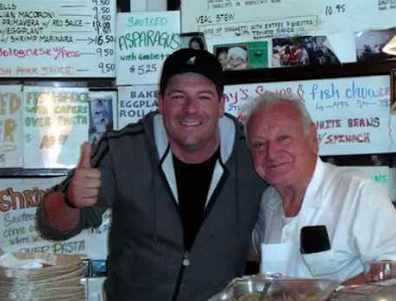
That's VINNY on The Left

with One of His Many FANS


La Foccaceria? Oh where have you gone? Well, I do know actually. After more than 90 years in business, it was time to close the doors. And a sad day it was for thousands, including me. I first moved into the East Village in November 1982 .. I was working in another famed old New York Italian institution in The East Village, in John's (Since 1908) on East 12th Street right around the block from La Foccaceria. La Foccaceria was a great little Sicilian Specialties restaurant on 1st Avenue between East 11th and East 12th Streets on the east side of First Avenue .. That was  the first spot where Vinny's father opened the doors in 1914 ... I'm sorry to say, I never went to that one but to it's (La Foccaceria) 2nd location a couple blocks south on 1st Avenue between East 7th Street and St.  Marks Place (E. 8th Street) on the east side of the avenue. The new La Foccaceria, run by one Vinny Bondi was just one block from my apartment at the corner of Avenue A and St. Marks Place. In 1982 the East Village was on an up-swing in popularity and improvement from a sort of sub-ghetto of The Lower East Side. the neighborhood which was strongly Eastern European; Ukranian and Polish, mixed with Hispanics, Italians, and people of Jewish persuasion. When Mr. Bondi opened the doors almost 100 years before when the neighborhood was largely made up of Sicilian immigrants which included one Charles "Luck" Luciano whose parents moved to East 10th Street when Luciano was just 9 years old. In the early 80s when i first moved into East Village it was a low-rent neighborhood with apartments that were relatively cheap for the city, thus attracting artists, so-called wannabe actors and musicians and young people who wanted to live in Manhattan. In the East Village they could find an apartment (though not the best physically) at reasonable rates for the time, I did. Through a friend I was able to procure a 2 bedroom apartment for a mere $400 a month. Quite a bargain. I shared the apartment with my good friend jay F. for the first year in that apartment. Once he moved out, I kept the apartment for myself.
   Hey, I'm getting off the beaten track. Yes back in 82 the East Village was an exciting and changing neighborhood, perfect for me and other young people just starting out in this great city of ours.
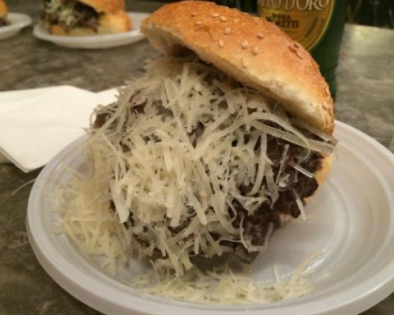
    I was only paying $400 rent and had money to spend eating out. I used to eat at a Ukrainian Diner Odessa on Avenue A and Lesko's as well, two doors down from Odessa. There I could get plates of home-made Perogis, fresh Keilbasi and other solid food for cheap. In the East Village there were a few old-school Italian holdovers like; John's were I was working as a waiter & bartender at the time, Lanza's (now over 100 Years old), De Roberta's Italian Pastry (over 100 years old) Brunetta a great little Italian restaurant I used to go to which was on the same block as the original La Foccaceria and there was the current La Foccaceria on 1st Ave near Saint Marks Place .. I went in to La Foccaceria one  day, I met Vinny and I loved it from the very start. Vinny's father and mother had started the place way back in 1914 ... Vinny, I never asked his age, but he must have been in his late 60's at the time (1983). La Foccaceria served an array of wonderful dishes; all the usual pastas like; Lasagna, Spaghetti & Meatballs, Spaghetti Vongole (Clam Sauce), and Sicilian Maccheroni, like Pasta con Sardi and Lasagna Coccati, broken pieces of lasagna pasta baked with sausage,peas, tomato, and mozzarella. Vinny had great soups like Pasta Fagioli and the best Lentil & Escarole Soup around. He sold sandwiches like Chicken Parmigiano, Meatball Parm, Sausage & Peppers, and his most famous dish of all, the famed Vastedda Sandwich of Palermo. A Vastedda (Vastedde) Sandwich as we've said is a very famous sandwich that is a specialty in Palermo, is made with Beef Spleen (or Veal) with Ricotta and Cacciocavallo Cheese on a small Sesame Seeded Bun. It is quite wonderful and was a specialty of the house at Vinny's La Foccaceria. I just loved it, and at $1.60 per, even in 1982 it was one of New York's great prepared food bargains. The average price of most sandwiches  back then was about $5.00 around town, so  a Vasteddeat $1.60 per? Wow, what a Bargain?
I had tried most of the dishes at La Foccaceria in my first year eating there, but there was one that I loved by far most of all. Yes, the Vastedde. Most times I would have a Vastedde and a bowl of Vinny's wonderful Lentil & Escarole Soup, the best I have ever had. If it was Thursday or Saturday, the days that Vinny made Arancini (Sicilian Rice Balls) and Sfingione (True Sicilian Pizza), I might get a piece of Sfingione and Lentil & Escarole Soup, or Sfingione, a Vastedde, and Soup. Yeah! 
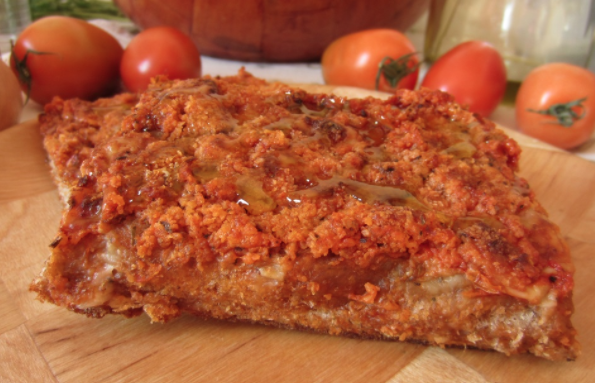
I often ate at Vinny's on Thursdays and Saturdays, as they were the two days in the week when Vinny made Sfingione, which is real Sicilian Pizza, that comes from Palermo. This type of pizza is made in a pan and is thick just like what is know as Sicilian Pizza all over America, and has tomato and Mozzarella Cheese baked on top. Sfingione on the other had doesn't have tomato or mozzarella, but minced Anchovies that are suteed with onions and breadcrumbs. This breadcrumb mixture covers the dough and then is backed in the oven, and "Voila," you've got the true Sicilian Pizza known to Sicilians and Sicilian-Americans alike as Sfingione. 
Very made a great version of Sfingione, and I'd get a piece of it every week for the 11 years before I moved over to the west side in Greenwich Village. Saturdays was a very special day at La Focacceria as that the day that all the old guys who grew up in this neighborhood, but later bought homes outside of Manhattan, Saturday was the day many of these guys would take a ride into the hood to get a Vastedde, see Vinny and habg out with old friends, one coming from Staten Island, one from Brooklyn, one from Jersey, etc., etc., and they'd all meat up at Vinny's for a nice lunch together and remember their old times in this old Sicilian Neighborhood.
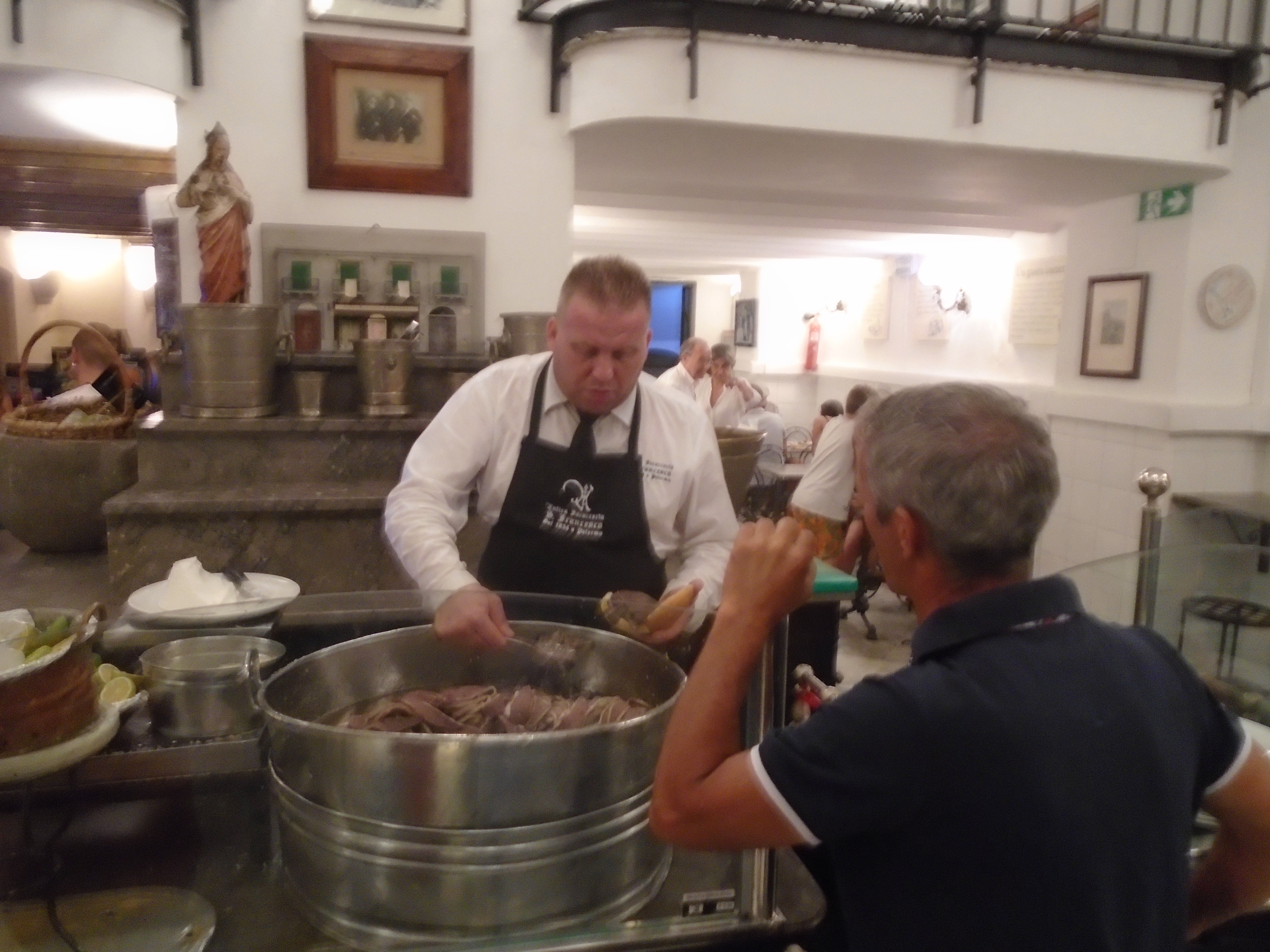
Boy did I love Vinny's. There was nothing like those Vastedde and Vinny making them. Vinny had a special stattion at a counter up front of the place where he cut the cooked Beef Spleen, fry it in lard, cut the bun, cut some Cacciocavallo, he'd lay the spleen on the bun, add some Ricotta, and sprinkle the cut Cacciocavallo Cheese over the top. Yumm! And I'd have a little chat with Vinny as he made my Vastedde right before my eyes. When i ordered it, all I had to say to Vinny, was, "One with everything." That meant everything; the spleen, Ricotta and Cacciocavallo. Some people would order them minus the spleen. Why? Amateurs.
Sadly, Vinny closed his Foccaceria a few years ago. it was a sad day for me, no more Vinny, no more La Foccaceria, no more Vastedde.

Ode to La Foccaceria

  Ode to My Pal Vinny

  Ode to My Beloved Vasteddi

  I Will Miss You All So  

  Daniel Bellino-Zwicke  


NOTE : In Palermo where the Vastedde Sandwich comes from, it is mostly known as Pane Milza (Muesa), which translates to "Bread and Spleen." The spleen is first simmer to cook in gently boiling water until cooked through. The spleen is cooled down and refrigerated to cook later. When someone orders a sandwich, Vinny would take the large piece of Spleen, cut thin slices of it and fry them in lard that was in a pan at the counter of the focacceria. Vinny would then place the cooked spleen on a sesame seed bun that was split in half. He'd place a dollop of fresh Ricotta on top of the spleen, then grated Caciocavalo Cheese over the ricotta, and then top with the top piece of bread and place the Vastedde Sandwich on a plate and hand it to the lucky recipient, like me, just like they make it in Palermo.

NOTE II : You may have noticed different spellings for the same sandwich, Vastedde and Vastedda are both singular, while Vasteddi is the plural for more than 1 Vastedde.


Screen Shot 2018-03-03 at 1.54.13 PM.png


The FAMED VASTEDDA


"I ate these at Vinny's twice a week. La Focacceria was just 1 block from my apartment in the East Village. Sadly Vinny closed about 8 years ago. Now I have to go all the way to Ferdinando's in Carroll Gardens, Brooklyn to get one. Either there are all the way to Palermo to Antica Focacceria S. Francesco, which I don't mind at all, but I sure do miss going to La Focacceria on 1st Avenue, seeing my old buddy Vinny, eating a Vasteddi, an Arancini or some Sfincione which Vinny made on Thursdays and Saturday. The BEst Vasteddi in New York.


.
Screen Shot 2018-03-03 at 1.50.08 PM.png

SFINCIONE
This is real SICILIAN PIZZA. Vinny made it on Thursdays and Saturdays and all the guys that used to live in the neighborhood but bought homes in Brooklyn, Staten Island or where ever, they'd come in to La Focacceria every Saturday for a VASTEDDA and some SFINCIONE and ARANCINI. It was quite a place.
.
Screen Shot 2018-03-03 at 2.09.16 PM.png


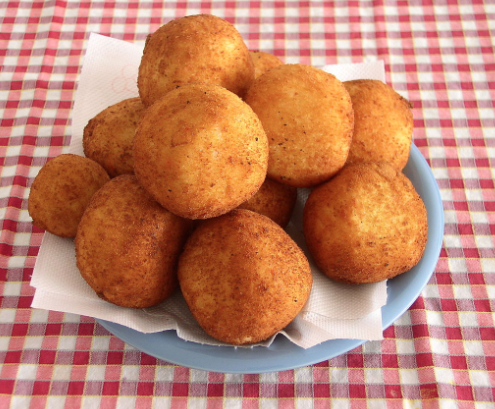
ARANCINI

Like any good Focacceria, Vinny made great ARANCINI too. You can find incredible tasty ARANCIN (Rice Balls) where ever you go in SICILY, stuffed with meat or cheese, they're as tasty as can be, and at just about $1.50 a piece, a nice inexpensive treat and the perfect thing to eat between meals, or even a meal in themselves, two will do the trick.

.
a4ce8-screen2bshot2b2016-09-032bat2b3-22-552bpm


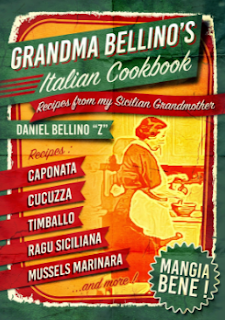
GRANDMA BELLINO'S COOKBOOK
RECIPES FROM MY SICILIAN NONNA


FerdinandosCannoliMazzolasT-REX 029

Ferdninado's In Brooklyn.
You Can Still get a good Vastedda There ...
Sadly, the only place left in New York


Image

Read About VINNY'S La FOCCACERIA

in Daniel Bellino's "La TAVOLA" 

ITALIAN-AMERICAN    NEW YORK .....

 
DSC03762

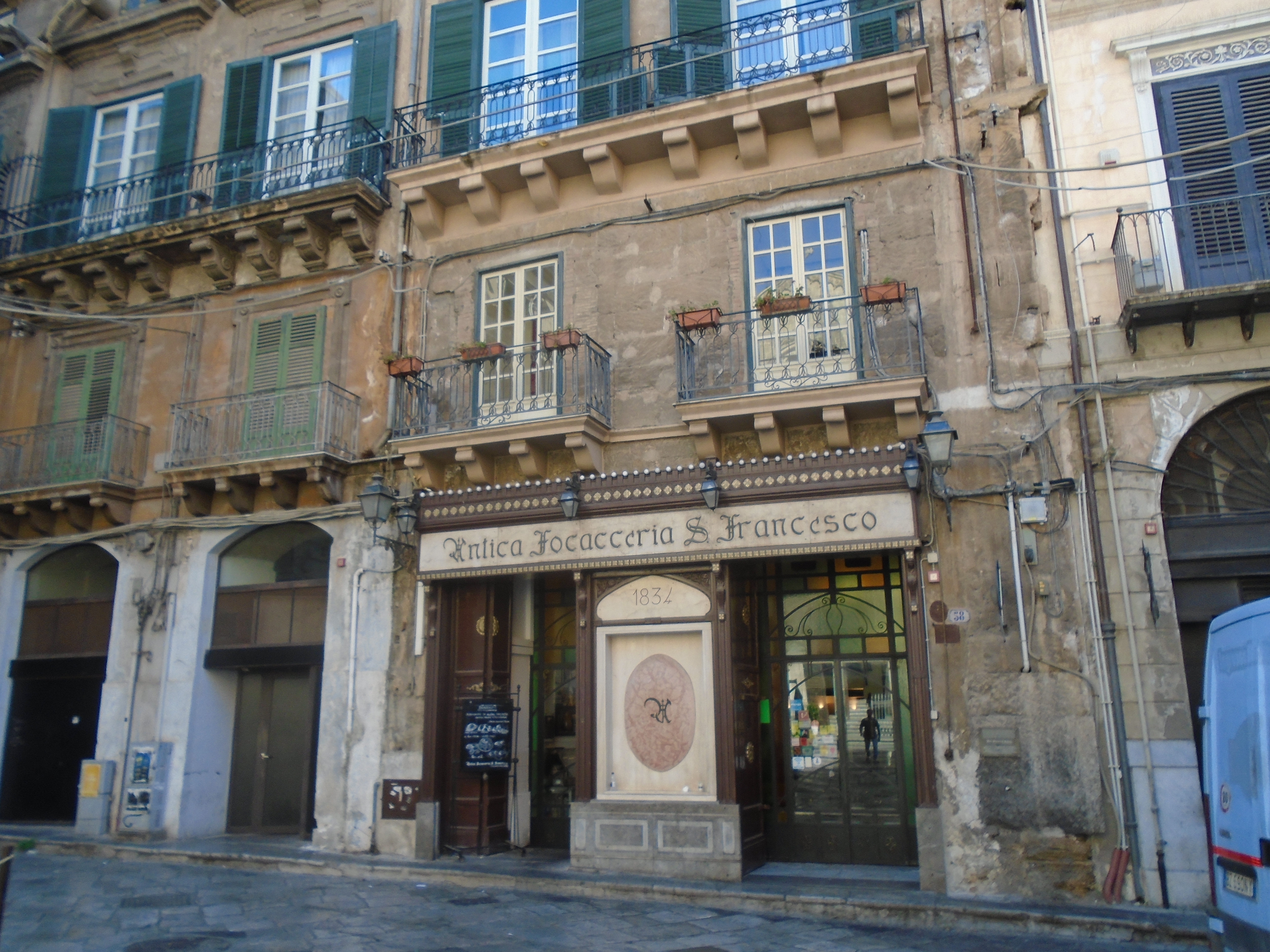
Antica Focacceria San Francesco

PALERMO


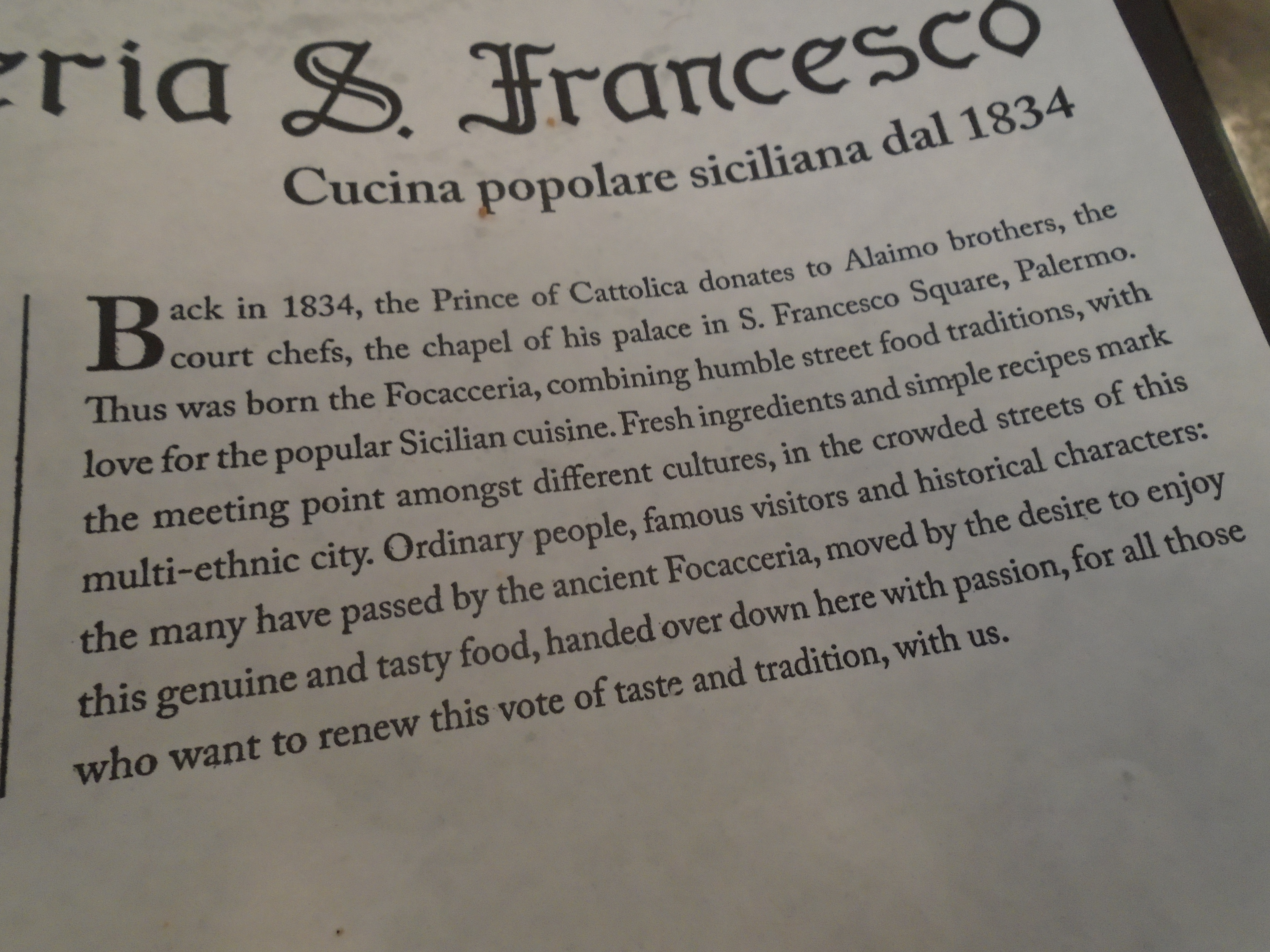
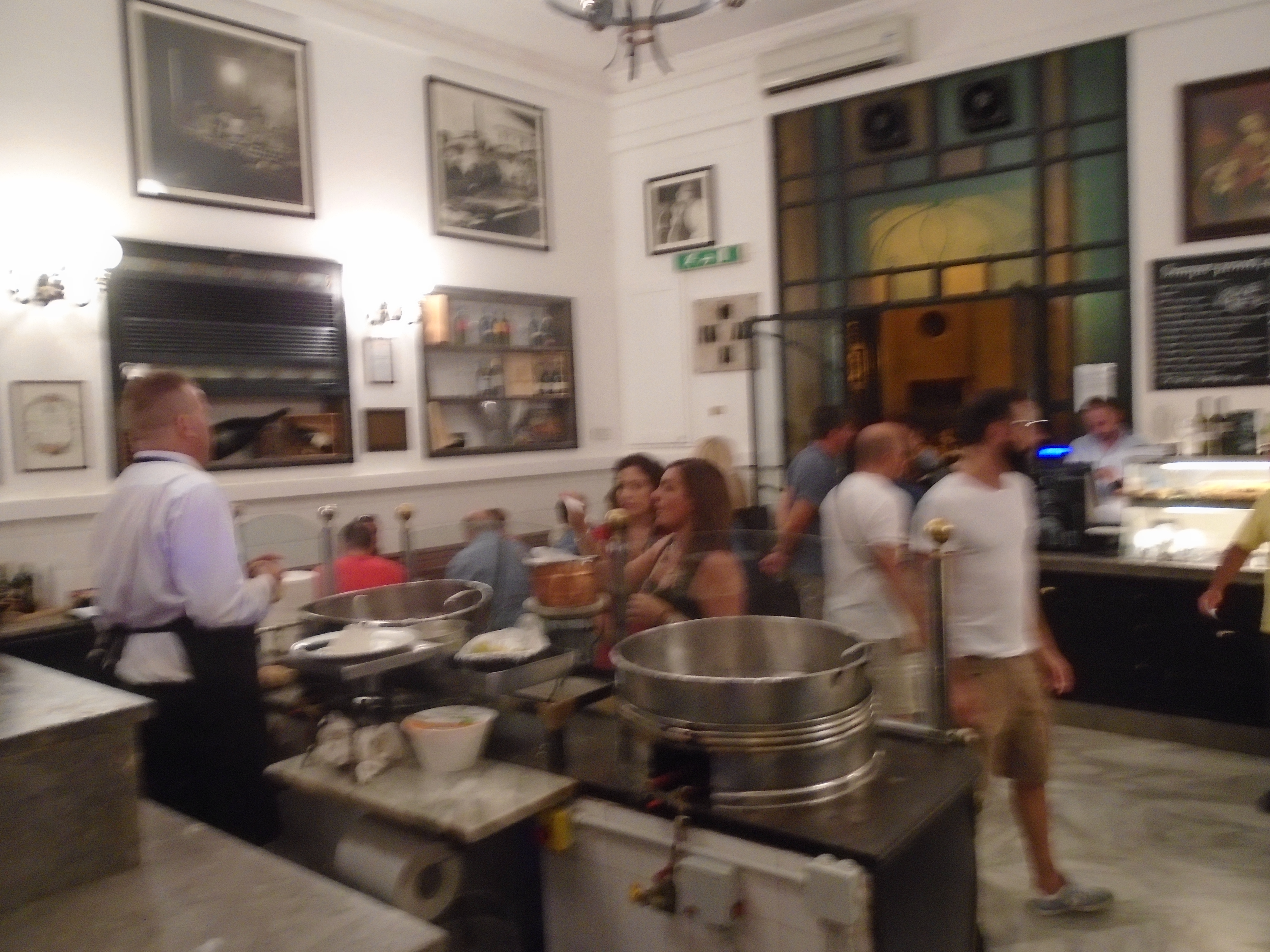
The Antica Focacceria San Francesco is without question the most famous focacceria as well as the single most famous and popular place to eat in all of Palermo, and all of Sicily for that matter. This may very well be the place where Mr. Bondi (Vinny's Father) modeled his place La Focacceria 1st Avenue after. We can't really be sure, but it's our guest bet. And for certain there must have been many different focaccerias all over Palermo when Mr. Bondi was a young man, that no longer exist, so he may have modeled his establishment in New York after one of those that no longer iexist, and yes, then-again, it may have been Focacceria San Francesco.

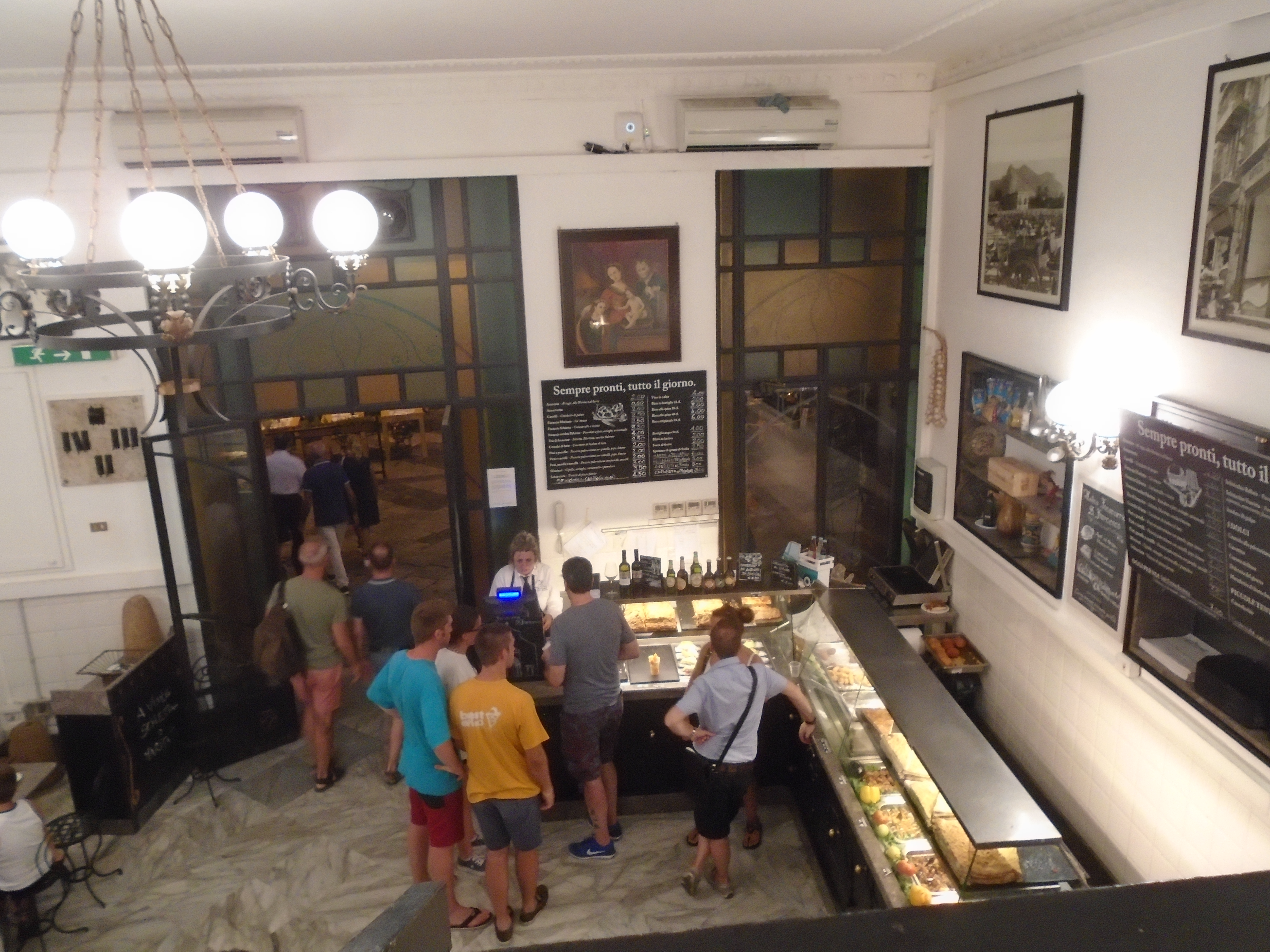
Anyway, the Focacceria San Francesco is without question my absolute favorite place to eat in Palermo, nothing comes close to this place, it's absolutely and positively awesome. The ambiance is spectacular with its balcony, marble and granite counters, floor, and tabletops. And the food? The Food is Wonderful! The worlds best place to get Pane Milza (Beef Spleen Sandwich), Caponata and Arancini (Sicilian Rice Balls).

La Focacceria were made famous by Andrew Zimmer on Bizarre Foods, and even more famous by Anthony Bourdain on "No Reservations, but I started going there way before those two guys.  Yes the food is wonderful, and just as wonderful are the prices, which are cheap to say the least. And the fact that they make a wonderful plate of their Greatest Hits, which includes Caponata, Aracini (Rice Balls) Panelle (Chickpea Fritters), and of course the famous sandwich Pane Milza (Muesa).  


DSC03796.JPG

Making a VASTEDDE
aka Pane Muesa


DSC03801.JPG

My VASTEDDE
 
DSC03803.JPG


Inside S. Francesco

FOCACCERIA

PALERMO


DSC03761.JPG
Read This !
Focacceria San Franceso and the Street Food of Palermo, Sicily #StreetFood
#PalermoStreetFood
   
DSC03807.JPG
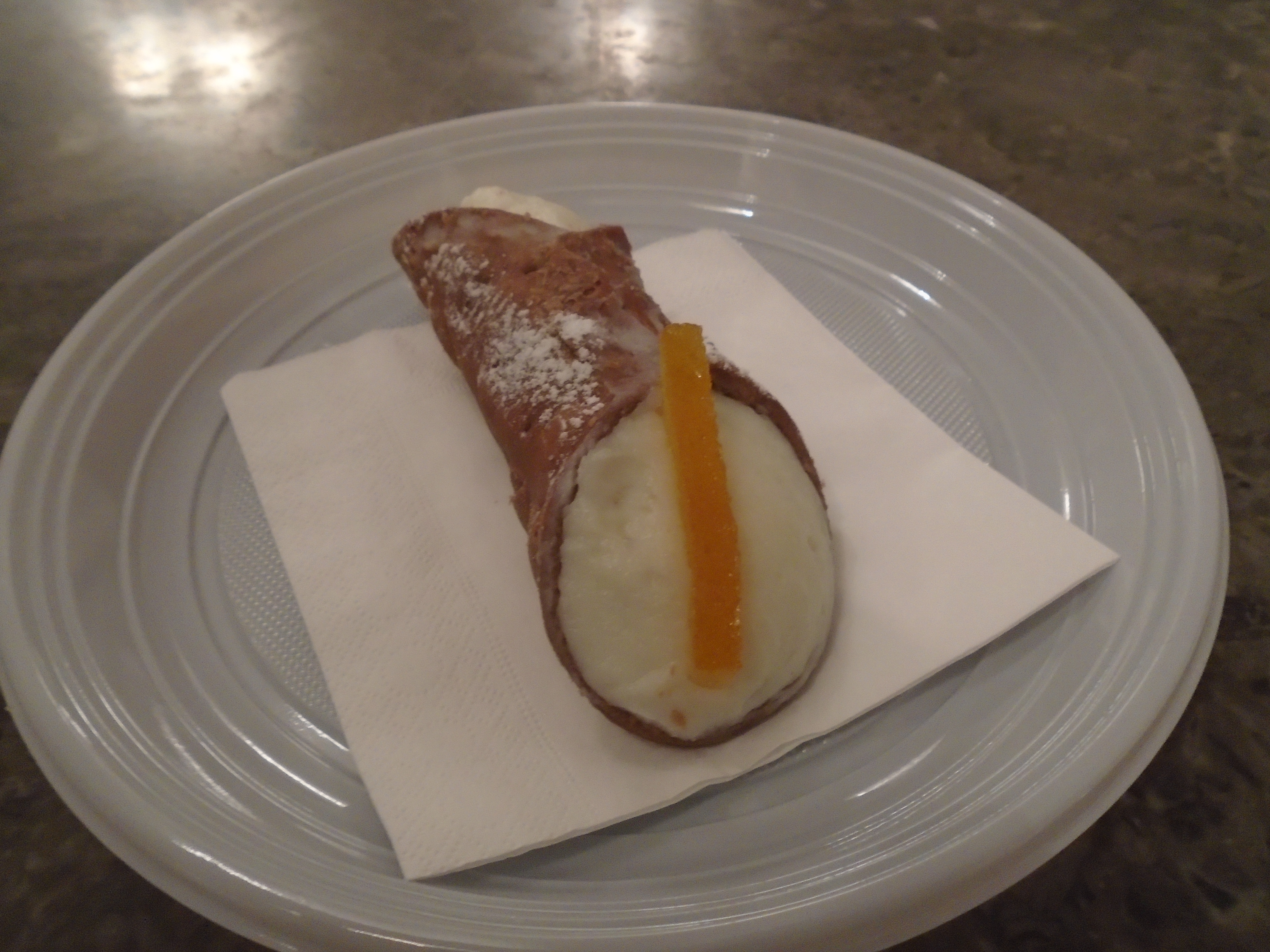
My CANNOLO
Focacceria S. Franceso
2017
   
DSC03805
Antica Focacceria San Francesco
PALERMO